The first national “SWOT for India” workshop was held from September 7–9, 2026, at the Indian Institute of Technology (IIT) Bombay, bringing together 50 participants from IITs, ISRO, national laboratories, and other research institutions. The workshop fostered knowledge exchange and collaboration on applications of the Surface Water and Ocean Topography (SWOT) mission over India.
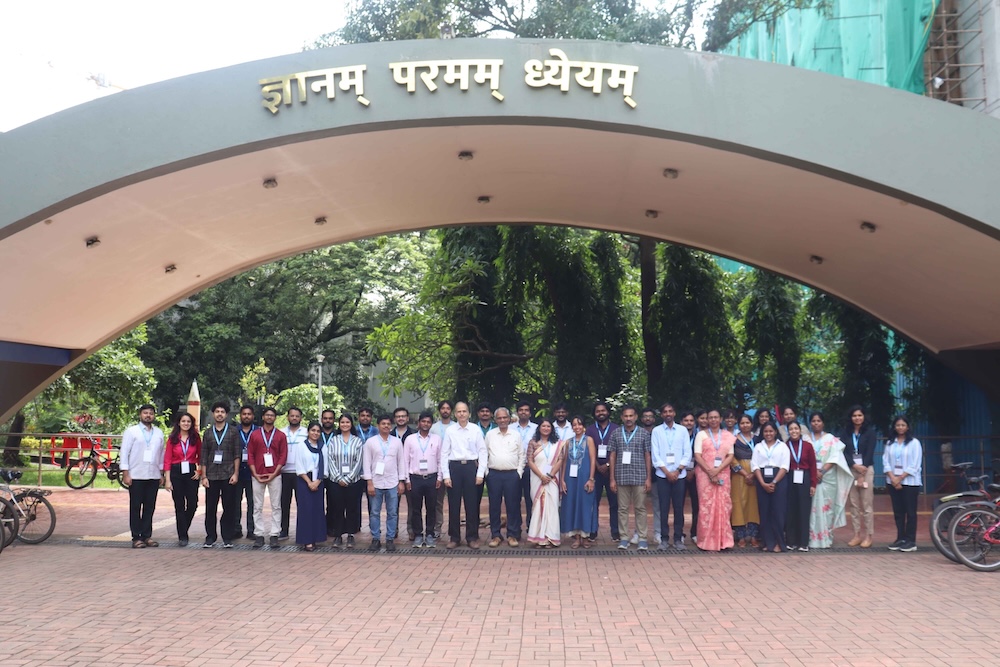
The first national “SWOT for India” workshop was successfully held from September 7–9, 2026, at the Indian Institute of Technology (IIT) Bombay, followed by a field trip on September 10. The workshop brought together approximately 50 participants from IITs, ISRO, national laboratories, and other research institutions, fostering knowledge exchange and collaboration on applications of the Surface Water and Ocean Topography (SWOT) mission over India.
The workshop provided an overview of SWOT hydrology products, quality-control procedures, and recommendations for users, while also highlighting recent scientific advances from the SWOT Science Team. A key objective was to build new synergies and collaborations for SWOT-based research and applications across India.
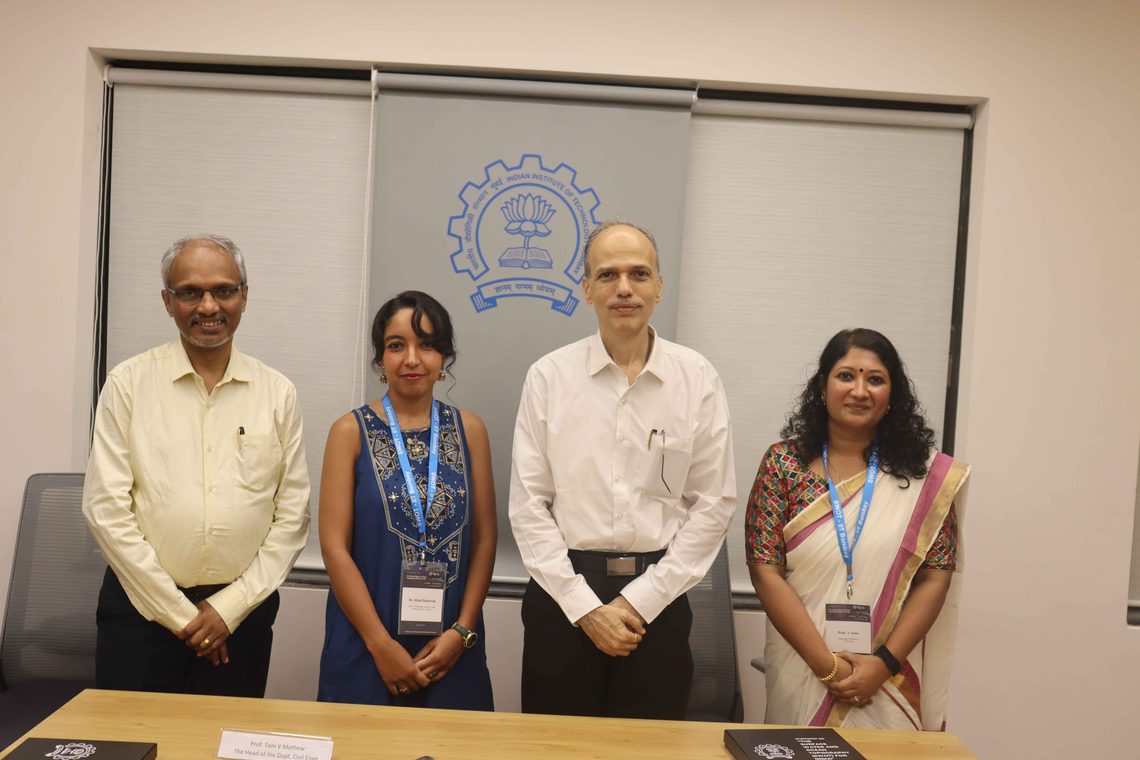
The workshop strongly benefited by the participation of Dr. Hind Oubanas, SWOT Hydrology Science Lead at INRAE-GEAU, France; Dr. Charlotte Emery, SWOT Products Expert at CNES, France; and Dr. Francesco d’Ovidio, SWOT Ocean Science Lead, LOCEAN-IPSL, CNRS, who joined online.
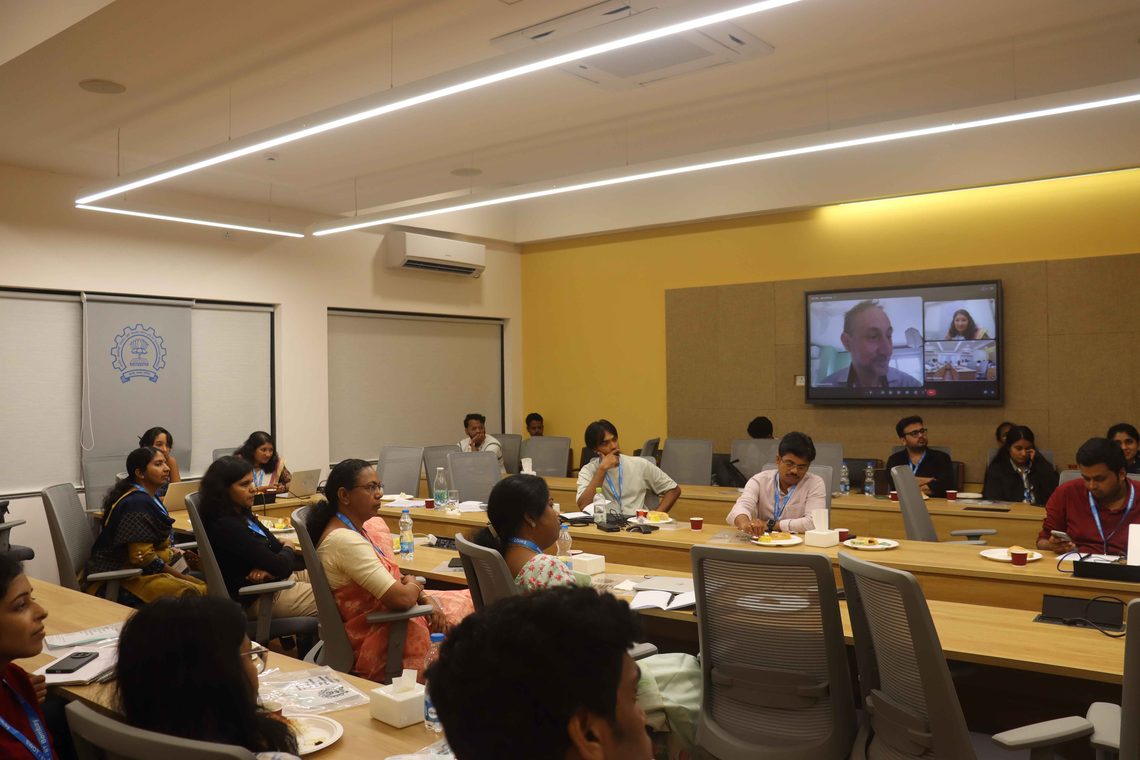
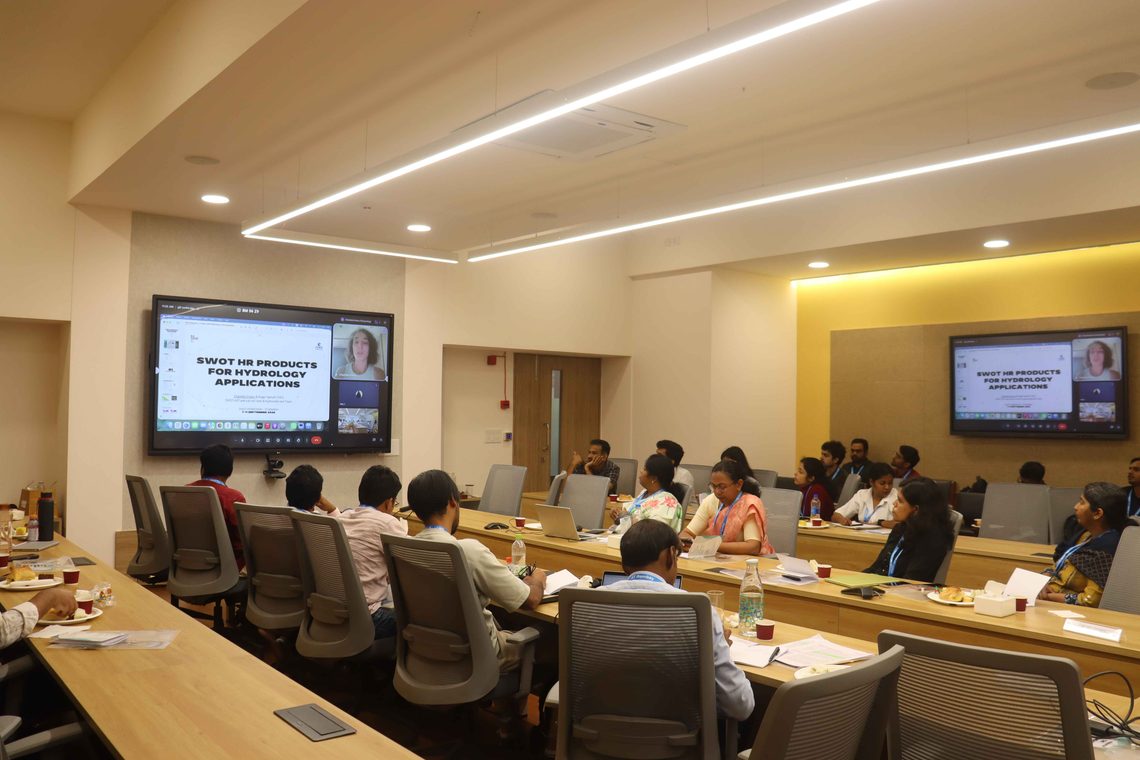
The technical sessions on “SWOT for Oceans” featured presentations from IIT Bombay, the National Institute of Ocean Technology (NIOT), Chennai, India and Osaka Metropolitan University, Japan, covering diverse applications of SWOT in the Bay of Bengal and North Indian Ocean. Topics included observing sea-level signatures associated with Tropical Cyclone Michaung, SWOT-based coastal monitoring and bathymetry, validation of SWOT products using long-term in-situ observations and moored buoy networks, wind-wave product validation, and applications to mesoscale and sub-mesoscale ocean features.
Presentations highlighted SWOT’s ability to resolve ocean features at scales of around 4 km, offering new opportunities for studying sub-mesoscale processes and cyclone-related sea-level variability. NIOT researchers discussed the potential of SWOT-derived bathymetry and complementary in-situ observations for addressing challenges in coastal monitoring, discharge measurement, and DEM validation.
Validation studies using omni buoys demonstrated strong agreement between SWOT and in-situ observations for wind speed and significant wave height, while also highlighting seasonal variations and the need for continued calibration and validation. Further discussions explored the use of SWOT for tidal corrections in shoreline-change analysis, as well as potential applications in tracking oceanic features and salinity transport during the monsoon.
Overall, the workshop provided an important platform for knowledge sharing, capacity building, validation activities, and the development of collaborative research initiatives, strengthening the emerging community of SWOT users and researchers in India and establishing the First Indian working group on SWOT.
The course coordinator of this workshop was Prof. J. Indu (IIT Bombay) and her research team and it was conducted with kind support of IOE Cell, Dean (R&D) and the Department of Civil Engineering at IIT Bombay.
More details about the workshop are available at https://swot-workshop.online/
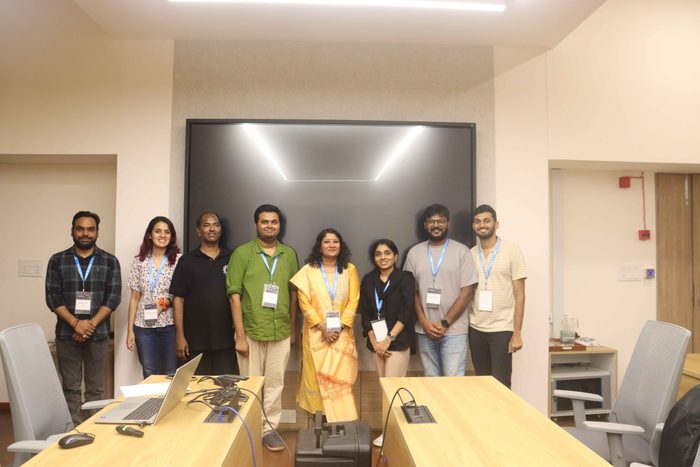
The workshop organizing committee, composed by Prof. J. Indu of IIT Bombay (centre) and her research team.