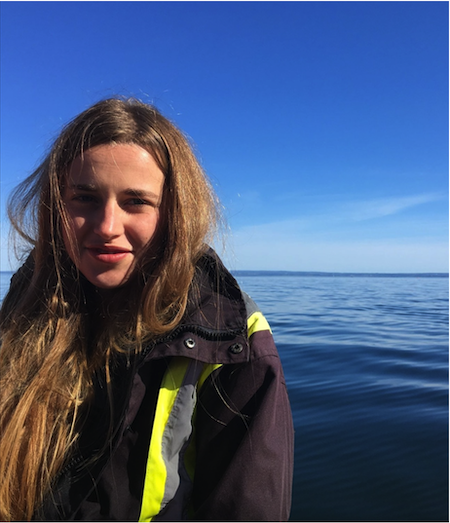
PhD student focusing on hydrology and remote sensing, with a particular interest in how natural processes and human activities influence river flow, water storage and flood dynamics.
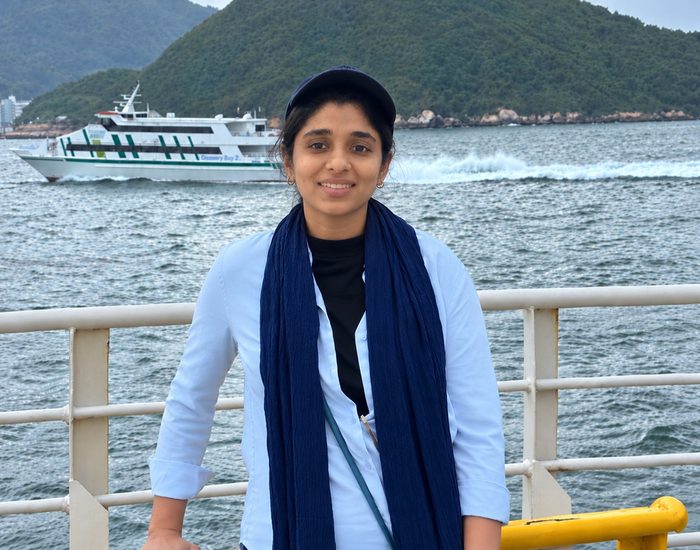
Interview by: Tosca Ballerini
Shahana Shirin A H completed a Bachelor’s degree in Civil Engineering at Mahatma Gandhi University and a Master’s degree in Water Resources and Hydroinformatics at the University of Calicut, India. She is currently pursuing a PhD in Remote Sensing at the Indian Institute of Technology (IIT) Bombay, under the guidance of Prof J. Indu. Her research is supported by the CEFIPRA-funded project FIRES (Floods on the Indian Rivers through discharge Estimation of SWOT Data).
SWOT AdAC: What is your field of research and how did you choose it?
Shahana Shirin A H: My research focuses on hydrology and remote sensing, with a particular interest in understanding how natural processes and human activities influence river flow, water storage, and flood dynamics. The importance of sustainable water management and the need to address growing water-related challenges motivated me to pursue this area of research. What excites me most is the ability of remote sensing to observe river systems over large regions and provide insights that are difficult to obtain through traditional ground-based measurements alone. SWOT is particularly important to my research, as it offers an entirely new way of observing rivers and surface water dynamics at a global scale.
SWOT AdAC: How is your field of research related to SWOT?
SSAH: The SWOT mission provides an unprecedented capability to observe rivers from space by simultaneously measuring water surface elevation, river width, and water-surface slope. These observations are directly relevant to my research on hydrological dynamics and how natural processes and human activities influence river systems. SWOT enables us to study rivers continuously along their networks and improve our understanding of water resources, especially in regions with limited ground observations.
SWOT AdAC: What do you find exciting about SWOT?
SSAH: What excites me most about SWOT is its ability to reveal spatial patterns in river systems that were previously impossible to observe from space. During the fast-sampling phase, parts of the Mahanadi Basin, India were measured through SWOT Cal/Val overpasses, providing daily observations of river conditions. I used these data to validate SWOT water surface elevation measurements against in-situ observations and explore their potential for hydrological studies. Analyzing these datasets helped me better understand the strengths and limitations of SWOT observations.
SWOT AdAC: What are your plans after you’ve finished analysing SWOT data?
SSAH: My future work will focus on integrating SWOT observations with hydrological models and other Earth observation datasets to support water resource management, and climate impact assessments. I am particularly interested in applying these approaches to highly regulated river basins where human activities strongly influence hydrological processes.
SWOT AdAC: Besides SWOT, are you involved in another exciting research and do you want to share something about it?
SSAH: Beyond my SWOT-related research, I am particularly interested in flood wave propagation in river systems. I study how flood signals move through river networks and how factors such as reservoir operations influence their movement. I find this exciting because it helps us better understand river behaviour and improve flood management.
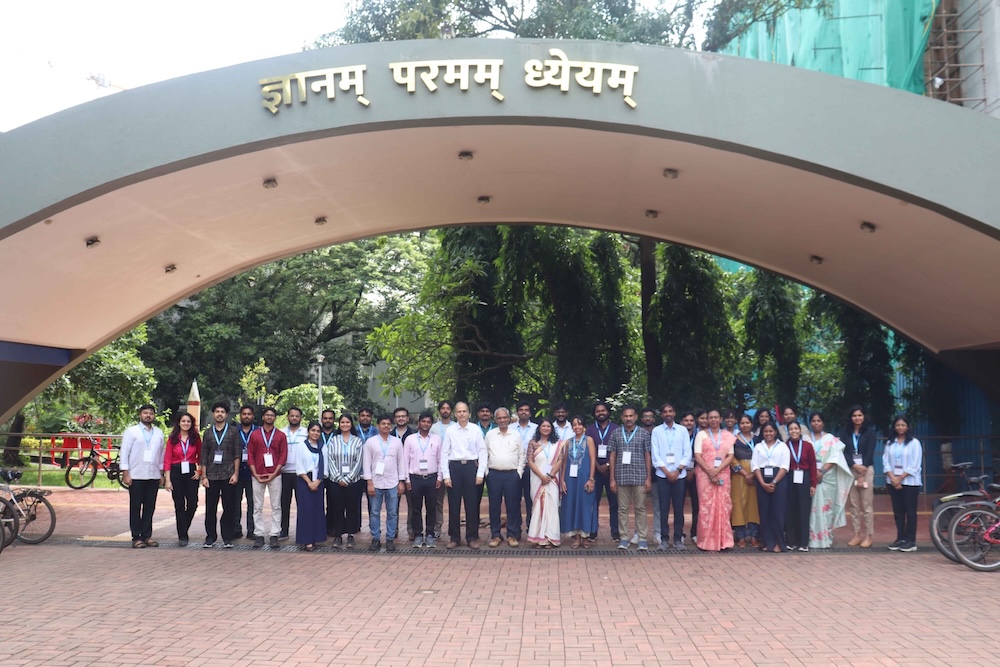
Shahana Shirin was also a member of the Organising Committee for SWOT for India 2026, the first national workshop on SWOT in India, hosted at IIT Bombay.
Get in touch with Shahana Shirin A H on LinkedIn
MEET MORE EARLY CAREER RESEARCHERS