The new wave of oceanographers: Martin Cornille
Master’s Degree using a synergy of remote sensing and in situ observations to examine the ability to detect mesoscale and submescale eddies in the Northwestern Mediterranean Sea and the Nordic Sea.
Master’s Degree using a synergy of remote sensing and in situ observations to examine the ability to detect mesoscale and submescale eddies in the Northwestern Mediterranean Sea and the Nordic Sea.
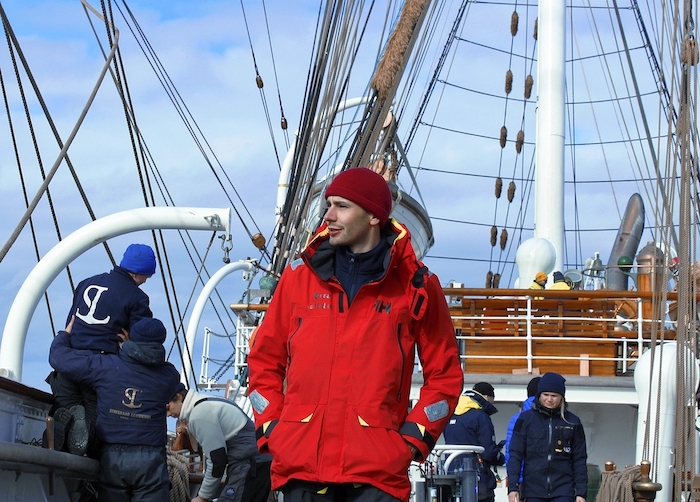
Martin Cornille has recently completed a dual Master’s degree at the crossroads of engineering and ocean science, between ENSTA (École nationale supérieure de techniques avancées) and IUEM (Institut Universitaire Européen de la Mer).
SWOT AdAC: What is your field of research and how did you choose it?
Martin Cornille: I first followed an intensive undergraduate preparation in advanced Mathematics and Physics for the competitive entrance exams to French Graduate Engineering Schools. During this rigorous training, I developed a strong interest in Physics. This scientific discipline appeals to me because it reflects the human desire to provide rational explanations for observed phenomena. But with a form of humility and admiration for the natural beauty of the order of things. In fact, if wanting to put the world into equations requires a certain audacity, one must always consider physical theories as models that approach the truth without ever reaching it.
Motivated by this outlook, I chose ENSTA, an engineering school strongly connected to scientific research, particularly in oceanography. My interest in eddy dynamics began during an academic project supervised by Xavier Carton, carried out while completing a Degree in Physics (equivalent to a bachelor’s degree) in parallel with my first year at ENSTA.
This first experience convinced me to pursue a Master’s degree focused on Deep Ocean Dynamics at IUEM. Through interactions with researchers, I gradually refined a personal research project to apply for the ESA Ocean Training Course 2025 (#OTC25). I proposed to evaluate SWOT’s capabilities in detecting fine scale features. In the same time, I was fortunate to obtain a 5-month research internship aligned with this topic, supervised by Anthony Bosse at the Mediterranean Institute of Oceanography (MIO) in Marseille. From April to November 2025, I conducted my end-of-study project jointly through the OTC25 and my internship at MIO.
SWOT AdAC: How is your field of research related to SWOT?
MC: My Master’s thesis assessed the added value of high-resolution SWOT-based altimetry for detecting mesoscale and submesoscale eddies, focusing on the Northwestern Mediterranean Sea and the Nordic Seas. Using a synergy of remote sensing and in situ observations, I examined the ability of remote sensing to detect smaller and deeper eddies during both the Cal/Val and Science phases.
The study first evaluated the consistency and complementarity between satellite altimetry products (DUACS, MIOST, VarDyn) and in situ data collected during the BioSWOT-Med campaign (2023) in the Northwestern Mediterranean Sea, and the ESA OTC25 campaign (2025) in the Nordic Seas. Then, I compared the performances of the conventional nadir altimetry product DUACS, and two experimental SWOT-enhanced products (MIOST and VarDyn), in detecting and tracking eddies using the SHOOT eddy detection algorithm (developed by Jean-Baptiste Roustan from the SHOM). I finally worked on vertical reconstruction of identified fine-scale ocean structures using in situ measurements — including vessel-mounted ADCP and glider-based hydrographic profiles. These datasets enabled the characterization of several key vortices, such as the BioSWOT-Med eddy and the Lofoten Basin Eddy (LBE).
SWOT AdAC: What do you find exciting about SWOT and the SWOT-AdAC campaign in which you have participated and how did you contribute to the campaign?
MC: Working on this topic has significantly reinforced my passion for physical oceanography and my fascination with the power of satellite observations. What thrills me most about SWOT is the remarkable correspondence between remote sensing and in situ measurements. Seeing glider-derived dynamic heights align with SWOT-based altimetric features is extremely stimulating — it gives a tangible sense that we are truly observing the same ocean from two very different perspectives. Yet some discrepancies remain, and understanding these gaps is essential for better interpreting the physics captured by these two complementary approaches.
I am also deeply fascinated by the unprecedented level of detail provided by SWOT. The fine-scale structures revealed in the wide-swath observations are not only scientifically valuable but visually striking : the sharpness and complexity of the signal offer a new way of “seeing” the ocean. This richness opens exciting perspectives for future research.
Finally, I am greatly inspired by the idea that SWOT is only a first step. The prospect of seeing fully operational wide-swath altimeters launched in the future — delivering continuous fine-scale global observations — is incredibly motivating. Knowing that our current work contributes to preparing the scientific community for this next generation of missions fills me with enthusiasm and a strong desire to keep pushing in this field.
SWOT AdAC: What are your future plans?
MC: I plan to continue working with the MIO to further develop the research initiated during my Master’s thesis. I also intend to apply for the ESA Graduate Trainee (EGT) Programme, which offers recent graduates the opportunity to gain hands-on experience in the development and operation of space missions within a dynamic international environment.
The BioSWOT2025 meeting was the occasion to show first confirmed results from the BioSWOT-Med cruise that occurred in 2023 exploring the influence of ocean vortices, fronts, and filaments on marine biodiversity in the North West Mediterranean Sea.
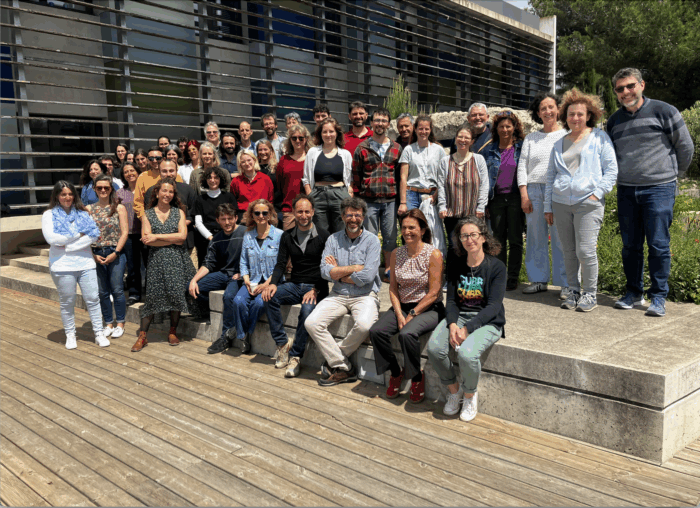
The BioSWOT Post-cruise and ANR Kick-Off meeting (BioSWOT2025) took place at the Mediterranean Institute of Oceanography (MIO), in Marseille, France, from 5 to 7 May. Over 45 researchers from France, Italy, New Zealand and the United States took part in the meeting, among them a large part of early career researchers.
The goal of BioSWOT2025 was to share the first results from analyses of data and samples gathered during the BioSWOT-Med cruise. This cruise explored a specific oceanic regime, the so-called “fine scales” (vortices, fronts, and filaments of 1-100km size) which are expected to have a primary role on marine life, yet are largely undocumented in many oceanic regions like the Mediterranean.
“This is an historical moment for exploring the ocean fine scales, with SWOT resolution being 10 times higher than what we had before”, commented Francesco d’Ovidio (LOCEAN-IPSL), PI of the BioSWOT ANR project and CNES Ocean Lead in the SWOT Science Team. Indeed, for the first time in history, high definition SSH data derived from SWOT satellite measurements were used to inform the adaptive sampling strategy employed during an oceanographic cruise, that targeted both physical and ecological processes, from nutrients’ concentration to top predators’ distribution, using a wide range of techniques, ranging from autonomous platforms to genomics. The comparison of SWOT maps and in situ observations was also the occasion to reflect on how the sampling strategy that was employed worked for detecting fine-scale oceanic features.
Over 30 talks were given during the three days of the meeting, and the researchers discussed which other collaborations or tools (e.g., modeling framework) are now needed to go further.
Trying to disentangle the processes at the base of physical dynamics and biological interactions
One of the main discussion topic research goals is to disentangle how different fine-scale processes have interacted together to produce the physical dynamics and the biological interactions observed across a front and an anticyclonic eddy encountered during the cruise in the North Balearic Sea. In this regard, Monique Messié (MBARI) illustrated the growth-advection method as a possible Lagrangian modeling approach to study plankton diversity.
Louise Rousselet (LOCEAN-IPSL) summarized the information necessary to inform a discussion on which biophysical landscapes are being unveiled thanks to the data acquired in BioSWOT-Med, while Magali Lescot (MIO) illustrated the large set of results acquired thanks to marine genomics. By applying omics (i.e., metabarcoding, metagenomics and metatranscriptomics) the goal is to investigate what is the impact of oceanic fine scales on plankton diversity. And in particular to investigate which species are present, what biological functions are present, and which functions were active during sampling in the different types of water masses sampled during the cruise. The study of omics is the subject of the BioSWOT ANR. How best we can use the incoming omics information (for which questions)?
Large participation of students and postdocs
One of the goals of the meeting was also to highlight the contribution to SWOT-related research carried out by students and early career researchers. Indeed, out of 30 presentations, 10 were given by students and post-doctoral researchers. Ludivine Grand and Lou Byrnes, both Masters’ students, presented, respectively, some preliminary results on fine scale distribution of ultraplankton and on a lagrangian study of fine-scale dynamics.
Among the PhD students, Aude Joel (MIO) discussed biogeochemical data on oceanic fine-scale circulation and nutriclines while Laurina Oms (MIO) presented results on contrasted phytoplankton communities along the front from flow cytometry. Camille Cardot presented a case study of mesoscale activity, comparing data derived from ocean currents derived from commercial ship positions and SWOT. The talk of Maxime Arnaud focused on vertical velocities from acoustics, while that of Maxime Duranson on fine scale zooplankton distribution.
Three postdoctoral researchers showed their results. Robin Rolland focused on eddy-wind interactions. Théo Garcia presented the statistical approach he used to unveil phytoplankton adaptation to oceanic fronts; while Alexandre Barboni compared estimations of geostrophic and ageostrophic velocities derived from SWOT and ADCP measurements and numerical simulations. Results from Emily Wagonner and Alba Filella focused on the distribution of organophosphate esters and polyphosphates.
Unexpected results and new research questions
Anthony Bosse (MIO) presented a fine-scale description of the anticyclone sampled during the BioSWOT-Med cruise, while Stéphanie Barillon (MIO) presented results with one of the only two systems so far existing for in situ measurements of vertical velocity. Maristella Berta (ISMAR-CNR) illustrated the reconstructed ageostrophic dynamics from drifter analysis, while Riccardo Martellucci (OGS) showed preliminary results on biophysical analyses from Argo floats. The presentation of Jean-Baptiste Roustan focused on preliminary results of the two-ships strategy during WEMSWOT/CSWOT cruises, performed just before BioSWOT-Med
Claude Estournel (LEGOS) and Valérie Garnier (IFREMER) compared results from Symphonie and Croco models with SWOT data while Mathilde Cancet showed how SWOT data can help understand the mechanisms of intrusions of the North Current on the shelf.
Sandra Nunige (MIO) gave a quick update on the large nutrients dataset she contributed to create, with both analyses onboard during the cruise (inorganic nutrients) and back in the laboratory. Dominique Lefevre (MIO) presented preliminary results on surface mapping of net community production, while the presentation of Marc Tedetti (MIO) focused on the distribution of CDOM and FDOM during the BioSWOT-Med cruise. Daniela Banaru (MIO) talked about phyto and zooplankton biomass, biochemical content and stable isotope ratios by size fraction.
Among the preliminary results presented during the meeting, there were also some unexpected results that gave rise to new research questions. For example, Alice della Penna (University of Auckland) analyses of an experiment she carried out in mesocosms while onboard the L’Atalante, to estimate the impact of diel vertical migration of mesozooplankton in surface communities of phytoplankton, suggested several competing hypotheses. The question also remains open on how the observed patterns might change in different water masses and on what is the role of patchiness in the ocean. On her side, Elvira Pulido (MIO) also showed some unexpected results on the availability of Phosphorus and the uptake of Dissolved Organic Matter by phytoplankton. Investigation of these new and competing hypotheses will require collaboration from the interdisciplinary BioSWOT-Med team.
Karine Leblanc (MIO) showed stunning images of nano and microplankton (electron microscopy) and described their distribution during the BioSWOT-Med cruise.
Contrasted ocean conditions possibly representative of other parts of the Mediterranean Sea?
The researchers were also interested in discussing how the physical mechanisms and the biological response encountered during the cruise are specific to the Mediterranean Sea and which ones may be typical of generically oligotrophic and moderately energetic conditions.
In this regard, the meeting closed with a keynote talk from Mark Ohman (SCRIPPS) that showed data collected south of Menorca and inside the anticyclonic eddy identified thanks to SWOT images north east of the Balearic Island by the Zooglider, a unique robotic autonomous instrument that dives to 400-meter depths and profiles the plankton using both imaging camera and active sonar as it ascends to the water column. The two regions differed for temperature, salinity, chlorophyll concentration and optical transparency. In parallel, plankton communities also differed.
Publications and new steps
The meeting had started on the first day with the distribution to all participants of the book “People, Science and instruments of the BioSWOT-Med campaign” created to give an overview of the scientific richness of an oceanographic campaign and to preserve the memory of the passion and dedication of the participants of the BioSWOT-Med project. It concluded on the third day with a general discussion on the scientific challenges ahead and the strategy to adopt to tell “the story of a front, an anticyclone and a storm”, the oceanographic features and meteorological conditions encountered during the BioSWOT-Med cruise.
“The progress of the analyses of the data collected during the campaign is satisfactory: we already have some confirmed results, which have been submitted for peer-review publication, and the preliminary results seen during these days are very encouraging and they will soon be presented in other conferences” said Andrea Doglioli (MIO), PI of the BioSWOT-Med cruise. “Furthermore, the outcome of this meeting foresees very promising future collaborations between colleagues who are highly motivated to continue the analysis and publish several articles” he concluded.
The next appointments to show results from the BioSWOT-Med experiment are at the SWOT Science Team Meeting in October in Archacon, France, and at the Ocean Sciences Meeting 2026 in Glasgow in February 2026.
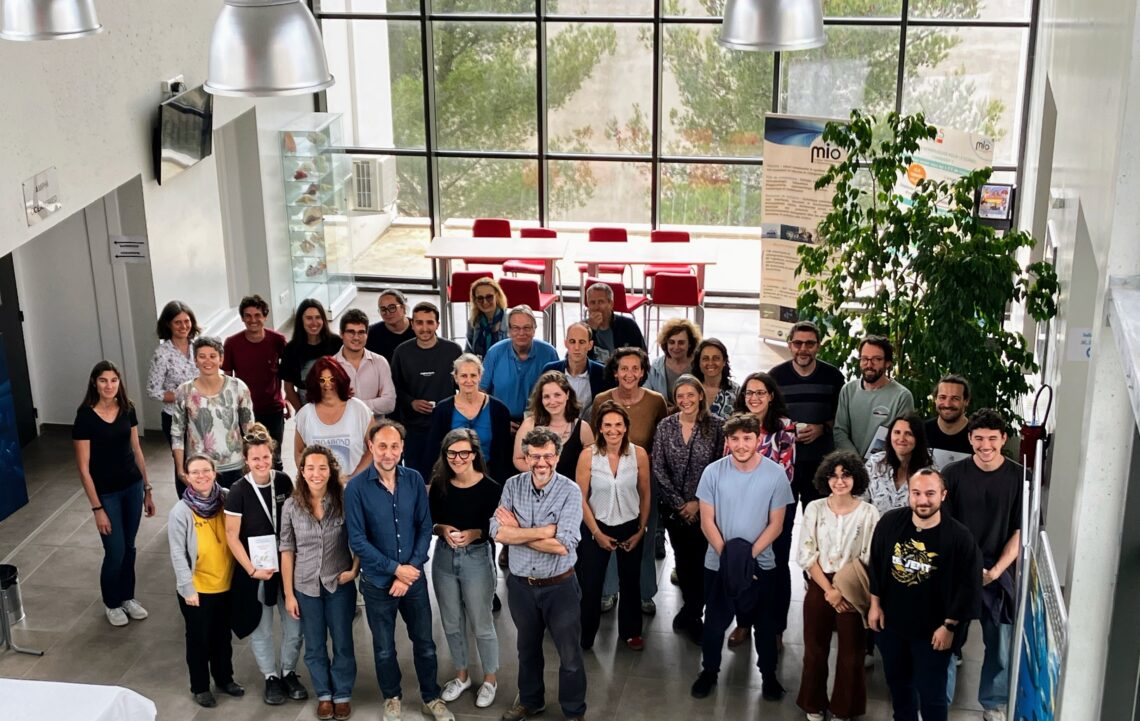
The book “People, science and instruments of the BioSWOT-Med campaign” was published on the occasion of the BioSWOT2025 meeting (Marseille, 5-7 May 225). It was created with the aim to give an overview of the scientific richness of an oceanographic campaign and to preserve the memory of the passion and dedication of the participants of the BioSWOT-Med project.
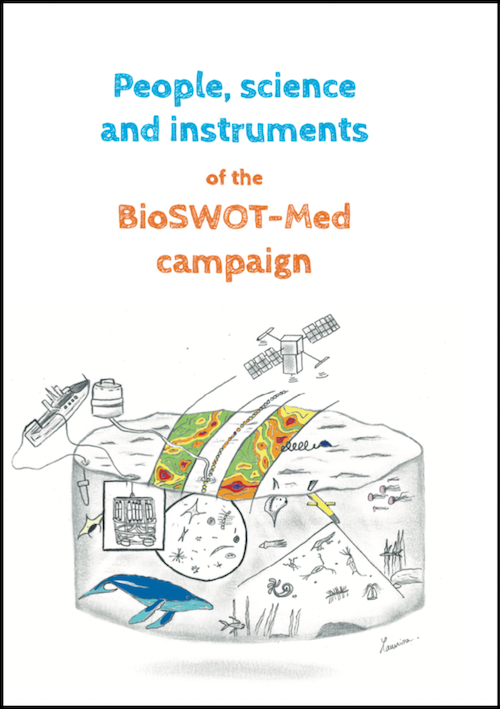
In the book “People, science and instruments of the BioSWOT-Med campaign” you can learn about the people, the science, and the instruments that made the BioSWOT-Med campaign in April – May 2023. In the first three sections, you can find the collection of a series of interviews carried out to cruise participants before the start of the campaign (“The research themes”, “The instruments of oceanographers”, “The new wave of oceanographers”).
In the last section, a selection of stories and anecdotes shared by the researchers while at sea are reported (“Dispatches from sea”).
“We hope you enjoy the reading and become fascinated by state of the art research on ocean fine scales.” Andrea and Tosca
The BioSWOT-Med campaign ended on Sunday 14th May after four weeks of navigation sampling an area characterized by a persistent front between modified Atlantic waters of different ages about 100 km north-est of Menorca Island (Spain) under one of SWOT swaths. The BioSWOT-Med scientific team is fully satisfied by the data that were acquired and thanks the Captain and the crew of R/V L’Atalante which allowed a great campaign despite challenging weather conditions.

By BioSWOT-Med team
Today, Sunday 14th of May, after 4 weeks of navigation, we are finally back at La Seyne-sur-Mer. Our BIOSWOT-Med campaing is now concluded, with the full satisfaction of the scientific team.
The choice for our operation zone finally went for an area about 100 km north-east of Menorca island (Spain), along one of the swath of the SWOT satellite, launched few months ago. Just at the beginning of our cruise, a very welcomed surprise has been the availability of preliminary, near real-time images of sea surface height from SWOT. These images, produced for us by the SWOT Project (CNES, NASA, and JPL) have revolutionized our strategy, because they allowed us to pinpoint the position and shape of fronts or vortices with an unprecedented precision of few km.
We also had the luck of having several cloud-free days just before the cruise, that corresponded to a sequence of several high-resolution surface chlorophyll maps from the OLCI-Sentinel 3 sensor. Combined with our land-based satellite analysis with the “SPASSO” toolbox developed in the framework of the SWOT-AdAC consortium, SWOT and Sentinel-3 drew for us the physical and biological seascape of our region.
We thus headed to a persistent front between modified Atlantic waters of different ages about 100 km north-east of Menorca. We spent three weeks there and explored the fine-scale ocean dynamics and its impact on plankton diversity. Although ideal for our scientific questions, this region is challenging in terms of navigation. Strong northerly winds, Tramontane and Mistral, contribute to the transformation of local water masses, but at the same time may create challenging conditions for shipboard operations.
All together, we were able to carry out all the vertical profiles envisaged, and even more than expected casts for CTD-rosette, and for FFADCP and VMP (respectively, vertical velocities and turbulence).
A large number of plankton nets was performed and plankton was also studied in mesocosms (Waipapa Taumata Rau University of Auckland).
Our experiment took advantage also of instrumented autonomous platforms, which have provided observations at different locations from the ship simultaneously and even during the storms. Several gliders have been successfully deployed and recovered: two MIO (France) gliders, a MOOSE (France) glider, the University of Bergen (Norway) glider and the SCRIPPS (US) Zooglider. The latter was recovered south of Menorca where it was blocked by very strong currents, and was redeployed to the main study area to be finally recovered at the end of the mission.
Six ARGO profiling floats by OGS (Italy) and LEFE-GMMC (France) were deployed. These instruments are still drifting in the study area and providing very useful insights of the evolution of post-cruise conditions.
In order to validate the new observations of the SWOT satellite and for studying the details of the ocean currents, a large number of surface drifters were released: 10 SVPs and 10 CODEs (OGS, Italy), 20 CARTHE (ISMAR-CNR), 15 eOdyn (SWOT-AdAC international consortium), two Spotter (LOPS) and 8 additional SVPs from SCRIPPS Inst. (US). A prototype surface drifter equipped with a set of biogeochemical sensors (ISMAR-CNR, Rome) was deployed and recovered before leaving the study area.
One of our prototype system designed for measuring the vertical velocities, the Vertical Velocity Profiler (VVP), went unfortunately lost, during the first station, probably due to a malfunction of the instrument and/or the positioning system. The MIO scientific team therefore improved the second prototype unit, that performed many vertical profiles.
The Moving Vessel Profiler (MVP) (GENAVIR and MIO, France) performed more than 1400 high-resolution multiparameter profiles.
All the pumped water samples worked well, thanks also to the help and technical support provided by the crew, who significantly improved the scientists’ equipment with parts manufactured on board!
Cytometer and spectrometer acquisitions on the thermosalinometer water inlet also worked perfectly and the ADCP and single-beam sounder acquisitions were fully satisfactory.
More than 500 000 liters of seawater were sampled and analyzed for their biogeochemical properties.
In conclusion, the scientists benefited from a well-equipped and performing vessel. The Captain of R/V L’Atalante Gilles Ferrand and his competent, enthusiastic, and accommodating crew, deserve our thanks for their work, which allowed a great campaign!
Learn more about the campaign through the BioSWOT-Med timeline.
INTERVIEW – Cédric Cotté is in charge of monitoring marine top predators during the BioSWOT-Med campaign. Here he explains how mesoscale features structure the foraging of marine top predators by generating favorable areas where preys are aggregated.

THE RESEARCH THEMES – Cédric Cotté is a researcher of the Museum National d’Histoire Naturelle at the lab LOCEAN. His research interests focus on the ecology of mid-trophic organisms (crustaceans, fish and gelatinous organisms) and how the physical environment structure the prey-predators interactions with marine top predators(seabirds, marine mammals).
What marine predators do you expect to find south of the Balearic Islands and how do you study them?
We expected to meet cetaceans (whales and dolphins), seabirds, tuna, turtles. During the BioSWOT-Med cruise, we will use the visual observations to study them. Other studies are using the biologging, i.e. electronic device fitted on animals to track their trajectory and behaviour. Passive acoustic can also be used to detect acoustically active species
Why is it important to study them? Are some of these species endangered? and if yes, are there any measures to protect them?
The monitoring of population is important to study the possible trends. Some species are threaten at different levels by shipping strike (large whales), bycatch (dolphins and turtles) and pollution (e.g., noise increase), and climate change. Marine reserve and Marine protected areas could be a good tool according the behaviour and the life cycle of these predators.
What existing hypotheses are there to explain the distribution and abundance of these species in the Mediterranean Sea?
At mesoscale, the eddies and frontal features are structuring the foraging of top predators by generating favourable areas aggregating the preys. Measuring fine scale features from space and from the cruise and observing predators is a unique opportunity to validate this hypothesis during BioSWOT-Med.

Contact: Tosca Ballerini (news@swot-adac.org)
INTERVIEW – Laure Chirurgien is in charge of measuring oxygen dissolved in seawater and community production. Here she describes the different instruments she uses, some of which especially developed at MIO.

THE INSTRUMENTS OF OCEANOGRAPHERS – Laure Chirurgien is an instrumentation and experimental technical engineer at the Mediterranean Institute of Oceanography (MIO) in Marseille, France. In BioSWOT-Med she is charge to measure oxygen dissolved in seawater and community production.
Q: Your affiliation
A: I have joined the MIO in 2011. I’m an instrumentation and experimental technical engineer.
What are your research interests besides BioSWOT-Med
I develop experimental devices and setup. In the last few years, I have mainly worked with Dominique Lefèvre, on the development of calibration baths for dissolved oxygen sensors.
In the BioSWOT-Med cruise you will be responsible for measuring oxygen. What instruments do you use to do so? How do they work?
On the CTD, there is dissolved oxygen sensor that needs to be corrected for potential drift and exactitude errors. Therefore, every day, I will take samples from the CTD at different depths and measure the oxygen concentration at these depths using the chemical reference methodology: the Winkler method. With these reference values we are able to correct the calibration parameters of the sensor to provide the community with more accurate values.
To make this measurement I use a one-wavelength spectrophotometer, called Endpoint, which we developed in collaboration with the Marseille Particle Physics Centre (CPPM) and the Technical Division of the National Institute of Sciences of the Universe (DT INSU).
You are also responsible for measuring community production. How do you do so and what instruments do you use?
To study community production, I use two different instruments. First, a mass spectrometer that measures the Oxygen/Argon ratio (O2/Ar). This instrument is using the continuous underway seawater supply to equilibrated the O2/Ar in seawater to a gas phase which is then measured by the mass spectrometer.
Secondly, I am responsible of a homemade system developed by Dominique Lefevre which allows to measure O2based net community production versus light during 24 hours incubation.
The whole of the data resulting from these two experiments will enable us to study the net community production.


Contact: Tosca Ballerini (news@swot-adac.org)
INTERVIEW: Sandra Nunige is an expert in nutrient salt measurements. Here she describes the different analyses she will carry out during the BioSWOT-Med cruise.

THE INSTRUMENTS OF OCEANOGRAPHERS: Sandra Nunige is a chemical engineer at CNRS working at the Mediterranean Institute of Oceanology (MIO) in Marseille. In the BioSWOT-Med campaign she is charge of measuring nutrients concentrations.
What are your research interests in the BioSWOT-Med campaign?
I am involved in the BioSWOT-Med project for the determination of nutrients that allow the growth of phytoplankton in seawater. This project is of particular interest to me because it will allow me to sample near eddies and to make the link with the images obtained by the SWOT satellite.
The time of year corresponds to the spring bloom of phytoplankton with low nutrient concentrations. It will be interesting to use the automated nanomolar phosphate measurement technique recently developed in the laboratory at MIO.
You are responsible for measuring nutrients. What instruments do you use to measure them?
As a specialist in nutrient salt measurements, I will perform measurements of nitrate, nitrite, phosphate, silicate, ammonium, and determine the nitrogen and phosphorus content of particulate and dissolved organic matter.
Samples will be collected on rosette CTDs or by the pumping system and then analyzed directly with an auto-analyzer.
Samples will also be taken for more sensitive measurements of phosphates at nanomolar concentrations using the Liquid Waveguide Capillary Cell protocol.


INTERVIEW – Véronique Cornet is an expert of microphytoplankton and its role in the biological carbon pump. Here she explains what phytoplankton are, how to collect them at sea, and how to analyze their diversity.

THE INSTRUMENTS OF OCEANOGRAPHERS – Véronique Cornet is a research engineer at CNRS working at the Mediterranean Institute of Oceanography (MIO). During her career she has participated in 10 oceanographic campaigns from the Southern Ocean (Kerguelen Islands – Macquarie Island), Pacific (New Caledonia – Polynesia, Solomon Islands) Mediterranean Sea, and 1 ice camp in the Arctic. Specialist of microphytoplankton and its role in the biological carbon pump, in this interview she describes what phytoplankton are, how to collect them in the sea using the phytonet and Niskin bottles and how to analyze their diversity using the PlanktoScope, the optical microscope and the scanning electron microscope (SEM).
First of all, what is phytoplankton?
The name comes from the Greek words φυτόν, meaning “plant,” and πλαγκτός, meaning “wanderer” or “drifting.” Phytoplankton are the autotrophic component of the planktonic community and are a key component of ocean and freshwater ecosystems. They are responsible for more than half of the global primary production of the oceans and for the export of anthropocentric carbon to the deep ocean. Knowing and understanding how phytoplankton function is essential in the context of current climate change.
What will you study about phytoplankton during the cruise?
During the BioSWOT-Med cruise, we will be looking for information on the share of diatoms in the spring bloom and the possible contribution of nanoplankton-sized diatoms. During the campaign we will have the opportunity to carry out in parallel a certain number of cytometry and molecular biology samples to analyze them in microscopy. This will allow us to compare the data obtained by these different approaches.
How are phytoplankton samples collected and how are they preserved before analysis?
During the BioSWOT-Med campaign we will use two sampling techniques: The first one by using a plankton net or phytonet, with a mesh size of 20 microns: a vertical line is drawn between 200 meters from the bottom and the surface; a sub-sample of this net is observed immediately and 2 sub-samples are fixed; 1 in acid lugol and 1 in neutral formalin and kept in a cool, dark place.The second one by is sampling with Niskin bottles. The depths studied will be 200 m – the “DCM” (variable depth) – and the surface. These samples will be fixed with acid lugol and neutral formalin.
How do you analyze the samples and how do you study phytoplankton diversity?
A subsample of the phytonet will be observed live under the microscope in order to evaluate the community structure and to acquire good quality images to feed our image databases. This sample will also be analyzed using a PlanktoScope, a bench-top device that allows us to acquire semi-continuous images of the plankton present in our sample. Compared to the microscope, this device allows us to quickly acquire a large number of images representative of the diversity of our sample; we will then use an automatic image recognition software to sort and classify them by major taxonomic groups.
Another unfixed sub-sample will be filtered for observation with a scanning electron microscope (SEM) in the laboratory. This technique allows to magnify the image up to 175 000 times (a “classical” microscope magnifies up to 1000 times), which allows us a very fine taxonomic identification, especially for nano diatoms that are difficult to recognize with optical microscopy.
The fixed samples will be studied in the laboratory with an optical microscope: identification, counting and measurement of the biovolume of phytoplanktonic cells. Biovolume measurements allow us to evaluate the carbon biomass of the cells. By combining counting, identification and measurement we have access to the community structure not only in terms of abundance but also to the contribution of species or functional groups in terms of biomass.


Contact: Tosca Ballerini (news@swot-adac.org)
INTERVIEW – Morgane Didry is in charge of flow cytometry in the BioSWOT-Med cruise. Here she explains how it works and what information it can provide about different assemblages of phytoplankton.

THE INSTRUMENTS OF OCEANOGRAPHY – Morgane Didry is a technician at University Aix-Marseille working at the Mediterranean Institute of Oceanography on the PRECYM cytometry platform. In BioSWOT-Med she is in charge of flow cytometry.
What are your research interests besides BioSWOT-Med?
I study marine microbiology and more precisely the distribution of different assemblages of phytoplankton, bacteria and viruses. I can be asked to work on local projects of researchers (as it is the case with this campaign), but also for external providers and thus analyze very different samples coming from all over the world.
In the BioSWOT-Med cruise you will be responsible for flow cytometry. What is a flow cytometer and how does it work?
Flow cytometry allows to count and analyze suspended particles individually and at very high throughput. These particles are carried by a sheath liquid which aligns them, separates them and leads them to a light source (laser). Different parameters are then measured, allowing us to classify the cells according to their optical properties of light scattering and fluorescence, which then gives us information on their size, their structure and their physiological state.
Will you take part in the day/night shifts?
Yes, we will take turns with Gérald Grégori for the cytometry. During the three days on station, we will take water samples from Niskin bottles and fix the samples.
Then we will take advantage of the three days of mapping and repositioning of the boat to analyze at least part of the samples (phytoplankton analyses). The rest (bacteria, viruses and heterotrophic nanoflagellates) will be analyzed in the lab upon our return.
Master’s Degree using a synergy of remote sensing and in situ observations to examine the ability to detect mesoscale and submescale eddies in the Northwestern Mediterranean Sea and the Nordic Sea.
The BioSWOT2025 meeting was the occasion to show first confirmed results from the BioSWOT-Med cruise and discuss possible interpretations for preliminary and unexpected ones. The meeting concluded with new steps forward during the BioSWOT ANR project.
The ebook "People, science and instruments of the BioSWOT-Med campaign" was published at the beginning of the BioSWOT2025 meeting. It was created with the aim to give an overview of the scientific richness of an oceanographic campaign and to preserve the memory of the passion and dedication of the participants of the BioSWOT-Med project.
The BioSWOT-Med campaign ended on Sunday 14th May after four weeks of navigation sampling an area characterized by a persistent front between modified Atlantic waters of different ages about 100 km north-est of Menorca Island (Spain) under one of SWOT swaths. The BioSWOT-Med scientific team is fully satisfied by the data that were acquired and thanks the Captain and the crew of R/V L'Atalante which allowed a great campaign despite challenging weather conditions.
INTERVIEW – Cédric Cotté is in charge of monitoring marine top predators during the BioSWOT-Med campaign. Here he explains how mesoscale features structure the foraging of marine top predators by generating favorable areas where preys are aggregated.
INTERVIEW – Laure Chirurgien is in charge of measuring oxygen dissolved in seawater and community production. Here she describes the different instruments she uses, some of which especially developed at MIO.
INTERVIEW: Sandra Nunige is an expert in nutrient salt measurements. Here she describes the different analyses she will carry out during the BioSWOT-Med cruise.
INTERVIEW – Véronique Cornet is an expert of microphytoplankton and its role in the biological carbon pump. Here she explains what phytoplankton are, how to collect them at sea, and how to analyze their diversity.
INTERVIEW – Morgane Didry is in charge of flow cytometry in the BioSWOT-Med platform. Here she explains how it works and what information it can provide about different assemblages of phytoplankton.